Are you familiar with the remarkable world of endoscopy? It’s a fascinating field that combines advanced technology and medical expertise to provide crucial insights into our bodies. At the heart of this innovative practice lies the mighty endoscope – an invaluable tool that allows doctors to visualize internal organs and diagnose various conditions without invasive surgery. But have you ever wondered how long these incredible devices last? Today, we’ll dive into the captivating topic of endoscope life expectancy, explore different types of endoscopes, learn how to care for them, and discuss replacement options when necessary. So grab your curiosity cap and let’s embark on this illuminating journey together!
What is an endoscope?
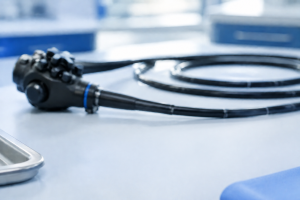
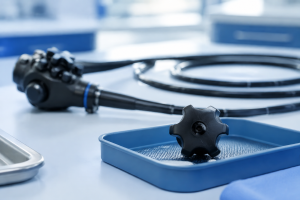
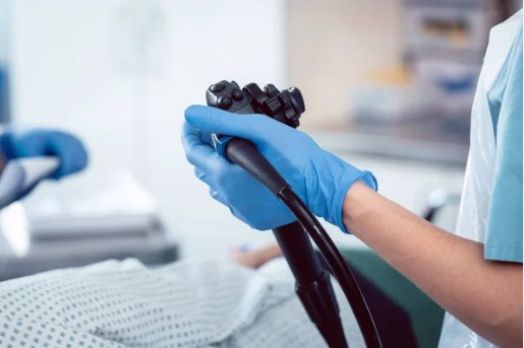
An endoscope is a remarkable medical instrument that allows doctors to see inside the body without making large incisions. It consists of a long, flexible tube with a light and camera attached to one end. This camera transmits real-time images to a monitor, enabling healthcare professionals to visualize internal organs, tissues, and structures in great detail.
There are various types of endoscopes designed for specific purposes. For instance, gastroscopes are used to examine the digestive tract, while bronchoscopes are employed for respiratory examinations. Other specialized endoscopes include colonoscopes, cystoscopes, hysteroscopes – each tailored for different anatomical regions.
To ensure optimal performance and safety during procedures, it’s crucial to properly care for an endoscope. After each use, meticulous cleaning and disinfection must be performed according to manufacturer guidelines. Regular maintenance and inspections by trained technicians also contribute significantly to extending an endoscope’s lifespan.
Despite diligent care practices, there will come a time when an endoscope reaches its limit due to wear and tear or technological advancements in the field. In such cases, replacing certain parts or even acquiring new models may become necessary options.
Endoscopy has revolutionized medicine by providing minimally invasive diagnostic and therapeutic procedures. The longevity of an individual endoscope depends on several factors like usage frequency,
proper maintenance schedules,and advancements in technology.
So let us now explore how long these invaluable devices typically last!
The different types of endoscopes
The medical field is constantly evolving, and with advancements in technology, there are several different types of endoscopes available today. These specialized instruments allow doctors to examine internal organs and tissues without the need for invasive surgery. Each type of endoscope has its own unique features and functions.
One common type of endoscope is the flexible endoscope. This instrument consists of a long, flexible tube with a light and camera on one end. It can be easily maneuvered through the body’s natural pathways, such as the digestive or respiratory system. Flexible endoscopes are often used for procedures like colonoscopies or bronchoscopies.
Another type of endoscope is the rigid endoscope. Unlike its flexible counterpart, this instrument has a fixed shape and cannot bend or flex. Rigid scopes are typically used for procedures that require more precision, such as arthroscopies or laparoscopies.
There are also specialty endoscopes designed for specific purposes. For example, cystoscopes are used to examine the bladder, while hysteroscopes allow visualization of the uterus. These specialized instruments have additional attachments or modifications that make them suitable for their intended use.
In addition to these main types of endoscopes, there may be variations within each category based on brand preferences or technological advancements. Olympus, ERCPendoscopy (ERP), EDC Endoscopy (EDC), and Fujinon all offer their own line of high-quality endoscopic equipment with various features tailored to specific medical needs.
With such a diverse range of options available, healthcare professionals can choose an appropriate tool based on factors like patient comfort, procedure complexity, and desired imaging quality.
How long do endoscopes last?
Endoscopes are essential medical devices used for diagnostic and therapeutic procedures. They allow doctors to visualize the internal organs and structures of the body without invasive surgery. However, like any other equipment, endoscopes have a limited lifespan.
The longevity of an endoscope depends on various factors such as usage frequency, proper maintenance, and the specific type of endoscope. Generally, high-quality endoscopes can last anywhere from five to ten years with regular use.
Factors that can affect the lifespan of an endoscope include the quality of materials used in its construction, how well it is cared for and maintained, and whether it undergoes regular servicing by trained professionals.
To extend the life expectancy of an endoscope, it is crucial to follow proper cleaning protocols after each use. This includes thorough disinfection using approved solutions or sterilization methods. Additionally, storing the endoscope in a clean and dry environment when not in use helps prevent damage or contamination.
Regular inspections by qualified technicians are also necessary to identify any potential issues early on before they cause significant problems that may require costly repairs or replacement parts.
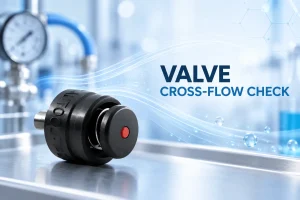
In some cases, despite diligent care and maintenance efforts, an endoscope may still require repair or part replacement due to wear and tear over time. These replacement options can range from minor component replacements like valves or light sources to more extensive repairs involving optics or camera systems.
In conclusion,endoscopes have a finite lifespan but with proper care,maintenance,and timely repairs,replacement parts you can maximize their durability.
It is important for healthcare facilities invest in high-quality devices while also ensuring adherence to recommended maintenance practices.
This will ultimately optimize patient care outcomes while minimizing costs associated with premature equipment failure.
The bottom line is that taking good care your Endoscopy instruments will help ensure their long-term functionality
How to care for an endoscope
Taking proper care of your endoscope is essential to ensure its longevity and optimal performance. Here are some tips on how to care for an endoscope:
1. Cleaning: After each use, thoroughly clean the endoscope according to the manufacturer’s instructions. Use enzymatic cleaners or low-foaming detergents specifically designed for endoscopes. Pay extra attention to the insertion tube and distal tip, as these areas are most prone to contamination.
2. Disinfection: Properly disinfecting the endoscope is crucial in preventing cross-contamination between patients. Follow established protocols and guidelines for high-level disinfection or sterilization using approved chemicals.
3. Drying: Thoroughly dry all components of the endoscope after cleaning and disinfection processes. Moisture can lead to microbial growth and damage delicate parts of the equipment.
4. Storage: Store your endoscope in a designated area that is clean, dry, and protected from environmental factors such as dust or direct sunlight.
5. Regular maintenance: Schedule regular inspections by authorized technicians to check for any signs of wear or damage that may require repair or replacement of parts.
By following these care guidelines, you can help extend the life expectancy of your endoscope while ensuring patient safety during procedures!
Endoscope replacement options
When it comes to endoscope longevity, there may come a time when you need to consider replacing your device. While proper maintenance and care can help extend the life of an endoscope, there are situations where replacement becomes necessary.
One option for endoscope replacement is purchasing a brand new device. This ensures that you have the latest technology and advancements in imaging capabilities. However, this can be quite expensive and may not always be feasible for every healthcare facility or practitioner.
Another option is to explore refurbished or used endoscopes. These devices have been thoroughly inspected, repaired if necessary, and brought back to optimal working condition by reputable vendors. This can be a cost-effective solution without compromising on quality.
Additionally, some manufacturers offer trade-in programs where you can exchange your old endoscope for a newer model at a discounted price. This allows you to upgrade your equipment while minimizing costs.
The choice of replacement options depends on factors such as budget constraints, specific medical needs, and available resources. It’s important to carefully evaluate each option before making a decision that best suits your requirements.
Conclusion
The life expectancy of an endoscope depends on several factors such as its quality, frequency of use, maintenance, and proper care. On average, an endoscope can last anywhere from 5 to 10 years. However, with regular upkeep and timely repairs or part replacements when needed, it is possible to extend the lifespan even further.
Taking care of your endoscope involves following a few simple but essential steps. Always ensure that it is cleaned thoroughly after each use using approved cleaning solutions and techniques. Handle it with care during the cleaning process to avoid any damage to delicate parts.
Regular inspections should also be conducted to identify any signs of wear or damage early on. This allows for prompt repairs and prevents minor issues from escalating into major problems that may require complete replacement.
When it comes time for replacing parts or repairing your endoscope, there are various options available depending on your specific needs and budget. Original equipment manufacturer (OEM) parts are recommended as they are specifically designed for compatibility and optimal performance with your particular brand of endoscope.
However, OEM parts can sometimes be expensive or hard to find. In such cases, there are reputable third-party suppliers who offer high-quality aftermarket parts that can serve as cost-effective alternatives without compromising functionality or safety.
Remember that investing in proper maintenance and timely repairs not only extends the life expectancy of your endoscope but also ensures accurate diagnostic results and enhances patient safety.
In conclusion (without explicitly stating so), by understanding the different types of endoscopes available today, knowing how long they typically last when properly cared for, learning about effective maintenance practices like thorough cleaning and regular inspections along with exploring various replacement options including OEM parts or aftermarket alternatives – you’ll be well-equipped to make informed decisions regarding your medical equipment while maximizing its lifespan.