INTRODUCTION
Unlocking the Inner Workings of Endoscopes: Common Problems and Practical Solutions!
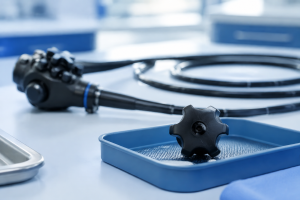
Imagine a world without endoscopes – medical procedures that once required invasive surgeries would become much more complicated, painful, and time-consuming. Fortunately, these remarkable devices have revolutionized the field of medicine by allowing doctors to explore internal organs with precision and ease. However, like any complex piece of equipment, endoscopes are not immune to common problems that can hinder their performance.
In this blog post, we will delve into the world of endoscope common problems and provide practical solutions for dealing with them. Whether you’re a healthcare professional using Fujinon, Olympus, or Pentax endoscope parts or an enthusiast interested in learning more about these fascinating instruments – this article has got you covered! So let’s roll up our sleeves (or rather gloves) and uncover the challenges faced by endoscope users worldwide.
ENDOSCOPE COMMON PROBLEMS
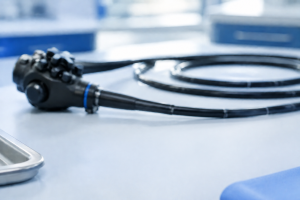
Endoscopes are essential tools used in medical procedures to visualize and diagnose conditions within the body. However, like any other equipment, endoscopes can encounter common problems that may affect their performance and reliability.
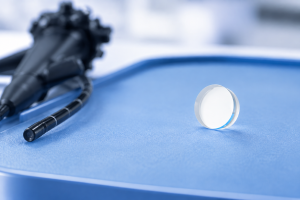
One common problem is image distortion or poor image quality. This could be caused by a damaged lens or faulty camera system. Another issue is the presence of debris or foreign particles on the lens, which can obstruct visibility during procedures.
Endoscope parts such as bending rubber tubes or insertion tubes may also wear out over time, leading to stiffness or limited maneuverability. These parts need regular inspection and replacement to ensure smooth operation.
Moreover, leaks in the endoscope’s water channels can occur due to wear and tear or improper handling. It is crucial to address these leaks promptly as they can compromise patient safety and result in inaccurate diagnosis.
Additionally, endoscope accessories like biopsy forceps or cleaning brushes may break or malfunction during use if they are not properly maintained or replaced when necessary.
To deal with these common problems effectively, routine maintenance and inspections are vital. Regular cleaning of all components with approved disinfectants helps prevent contamination and prolongs the life of the instrument.
Furthermore, it is important for healthcare professionals using endoscopes to receive proper training on handling techniques and troubleshooting common issues that arise during procedures.
Understanding the common problems associated with endoscopes empowers healthcare providers to take proactive measures in addressing them. By implementing regular maintenance protocols and investing in high-quality parts from reputable manufacturers like Fujinon Endoscope Parts, Olympus Scope Parts, Pentax Endoscope Parts,and Olympus Endoscopy Accessories Manufacturer,endoscopy practitioners can enhance both patient care outcomes and the longevity of their equipment
How to deal with endoscope common problems
Dealing with common problems that arise with endoscopes can be challenging, but it’s not impossible to overcome them. Here are some tips on how to handle these issues effectively.
First and foremost, regular maintenance is crucial for preventing common problems from occurring. Cleaning the endoscope thoroughly after each use and following the manufacturer’s guidelines for disinfection is essential. Additionally, inspecting the scope for any signs of damage or wear and tear before every procedure can help identify potential issues early on.
Another important aspect is proper handling of the scope during procedures. Ensuring that healthcare professionals are trained in correct insertion techniques and using gentle movements can minimize the risk of damaging delicate parts.
In cases where a problem does occur, contacting a reputable endoscopy accessories manufacturer for assistance is recommended. They will have expertise in diagnosing and repairing specific issues related to fujinon endoscope parts, olympus scope parts, pentax endoscope parts, or other brands’ equipment.
Establishing a routine quality control program within your facility can help detect any recurring problems and address them promptly. Regular inspections by trained professionals can uncover hidden issues that may affect image quality or functionality.
By following these measures diligently, you can mitigate common problems associated with endoscopes and ensure their optimal performance throughout their lifespan
CONCLUSION
In the world of medical technology, endoscopes play a crucial role in diagnosing and treating various conditions. However, like any other equipment, they are not immune to problems. Understanding the common problems that can arise with endoscopes is essential for both healthcare professionals and patients.
From issues with image quality to malfunctioning buttons or cables, endoscope problems can hinder accurate diagnosis and treatment. However, by following some simple steps, these problems can be effectively dealt with.
Regular maintenance and cleaning of endoscope parts are vital to ensure optimal performance. This includes properly disinfecting the scope after each use and carefully inspecting its components for any signs of damage or wear.
Additionally, it’s important to choose high-quality replacement parts from reputable manufacturers like Fujinon, Olympus, or Pentax. These companies offer a wide range of reliable endoscope accessories that can enhance the lifespan and functionality of your equipment.
Furthermore, staying updated with the latest advancements in endoscopy technology is crucial for preventing potential issues. By attending workshops or training sessions offered by manufacturers or industry experts, healthcare professionals can acquire valuable knowledge on troubleshooting techniques specific to their equipment.
Lastly but most importantly – teamwork! Effective communication between healthcare providers involved in using and maintaining endoscopes is key to identifying and resolving common problems promptly. Sharing experiences and best practices within a collaborative environment can lead to improved outcomes for patients.
In conclusion (without explicitly stating “In conclusion”), being aware of the common problems associated with endoscopes is just as important as knowing how to address them effectively. By taking preventive measures such as regular maintenance routines, using high-quality replacement parts from trusted manufacturers like Fujinon or Olympus,endoscopy professionals will be better equipped to handle any challenges that may arise during procedures.
They should also stay abreast of new technological developments through continued education opportunities.
This approach will not only optimize patient care but also extend the lifespan of this valuable medical equipment. So, let’s strive for excellence in endoscopy practice.