Introducing the incredible world of endoscopy! Whether you’re a medical professional or simply curious about the inner workings of the human body, understanding the parts of an endoscope is key. These remarkable devices allow us to explore and diagnose conditions within the body without invasive surgery. From its intricate components to its vital role in medical procedures, join us as we dive into the fascinating realm of endoscopes. So grab your curiosity, put on your surgical gloves (metaphorically speaking), and let’s embark on this enlightening journey together!
The Three Main Parts of an Endoscope
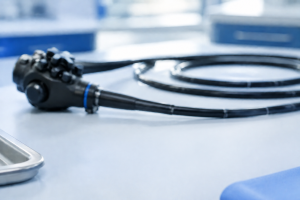
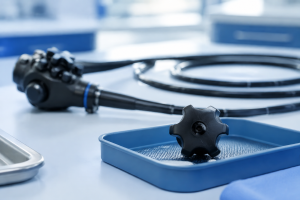
The three main parts of an endoscope work together harmoniously to provide a clear and detailed view inside the body. First up, we have the insertion tube. This long, slender tube is responsible for entering the body through natural orifices or small incisions. It houses various channels that allow for the passage of instruments and light.
Next in line is the control section. This component serves as the command center of the endoscope, enabling healthcare professionals to maneuver and manipulate the device with precision. It typically consists of buttons, dials, and knobs that control functions such as image capture, zooming capabilities, and adjusting illumination levels.
Last but not least is the distal tip. The distal tip contains a miniature camera that captures high-resolution images or videos while navigating through internal structures. Equipped with advanced optics and sensors, it ensures optimal visualization during procedures.
These three essential parts work in harmony to deliver accurate imaging and facilitate various medical interventions without major surgery. Now that we’ve covered these fundamental components let’s dive deeper into how an endoscope actually works!
How an Endoscope Works
An endoscope is a fascinating tool that allows doctors to see inside the human body without invasive surgery. But have you ever wondered how this incredible device actually works?
At its core, an endoscope consists of three main components: a light source, a camera, and a flexible tube. The light source provides illumination, allowing the doctor to clearly visualize the area being examined. The camera captures high-quality images or videos which can be displayed on a monitor for further analysis.
The flexible tube is perhaps the most crucial part of an endoscope. It enables easy navigation through narrow passages and around corners within the body, making it ideal for exploring hard-to-reach areas such as the gastrointestinal tract or respiratory system.
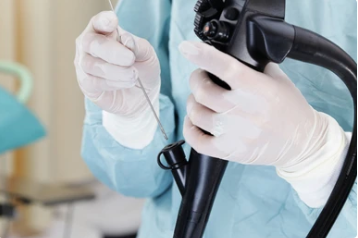
But how does all this come together? When using an endoscope, the doctor inserts it into the patient’s body through natural openings or small incisions. As they maneuver through the internal structures, they can adjust both lighting and focus to obtain clear visuals in real-time.
With advancements in technology, modern endoscopes often feature additional functionalities like zooming capabilities and image stabilization for enhanced precision during procedures.
Understanding how an endoscope works highlights just how amazing medical innovations can be. These devices play a vital role in diagnosing conditions early on and guiding minimally invasive surgeries – ultimately improving patient outcomes and speeding up recovery times.
So next time you hear about someone undergoing an endoscopic procedure, remember that behind every successful examination lies these remarkable pieces of engineering at work!
Endoscope Procedures
Once the endoscope is inserted into the body, various procedures can be performed to diagnose or treat medical conditions. One common procedure is called an endoscopy, where the physician uses the endoscope to examine and visualize internal organs such as the gastrointestinal tract or respiratory system. This allows them to identify any abnormalities or diseases.
Another procedure that can be done using an endoscope is a biopsy. In this procedure, a small sample of tissue is taken for further analysis. The endoscope enables precise navigation and targeting of specific areas for sampling.
Therapeutic procedures can also be carried out using an endoscope. For example, if polyps are found during an examination, they can be removed using specialized instruments attached to the endoscope. Additionally, stents can be placed in narrowed or blocked ducts or vessels to restore normal flow.
Throughout these procedures, it’s important for physicians to communicate with patients and ensure their comfort and safety. Proper sedation and pain management techniques may be used depending on the complexity of the procedure.
Endoscopic procedures have revolutionized modern medicine by providing minimally invasive options for diagnosis and treatment. They offer numerous benefits such as reduced recovery time and less scarring compared to traditional surgical method