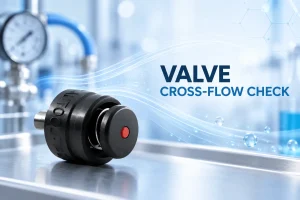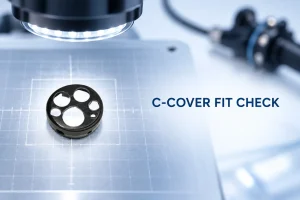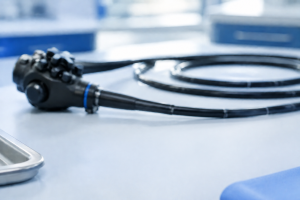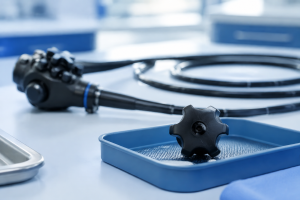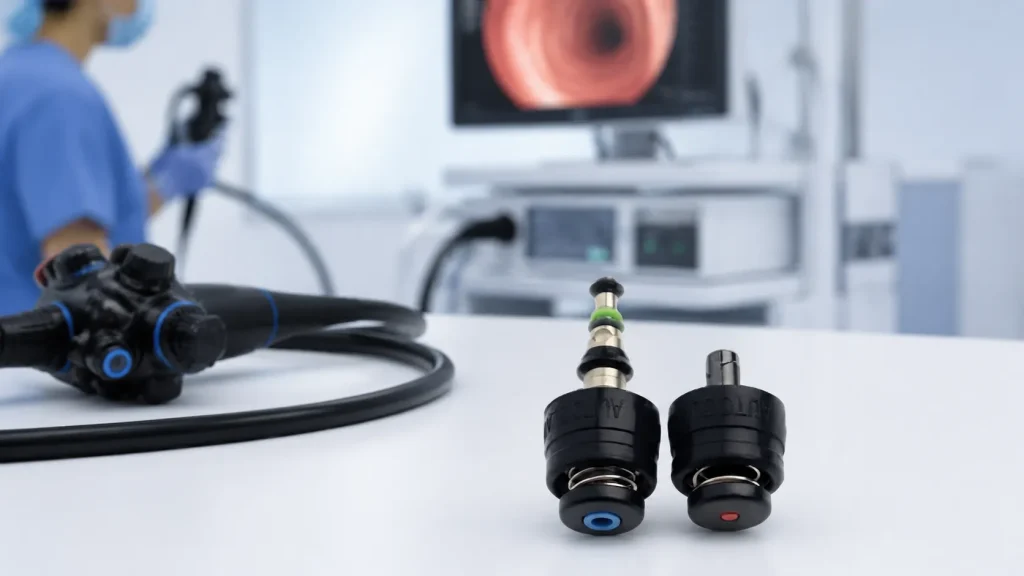
Endoscope valve components are essential control parts that regulate air, water, suction and instrument access functions in flexible endoscopes. These small but critical components directly influence the performance, reliability and repair efficiency of endoscopic equipment.
During flexible endoscope maintenance, valve-related issues are among the common problems identified by repair technicians. Damaged seals, reduced valve response, leakage or unstable fluid control can affect the normal operation of an endoscope and increase maintenance requirements.
For professional repair companies and medical equipment service providers, understanding the structure, function and replacement considerations of endoscope valve components helps improve troubleshooting accuracy and ensures the correct parts are selected for repair applications.
What Are Endoscope Valve Components?
Endoscope valve components are mechanical control parts installed in flexible endoscopes to manage airflow, water delivery, suction functions and working channel operations.
Flexible endoscopes rely on several internal systems working together, including:
- Air supply system
- Water irrigation system
- Suction system
- Working channel system
Valve components act as control points between these systems and the operator. When a technician or user activates a valve, the component controls the opening, closing or regulation of specific pathways inside the endoscope.
Although valve components are relatively small compared with other endoscope structures, they play an important role in maintaining operational accuracy.
Common endoscope valve components include:
| Component | Function | Repair Importance |
|---|---|---|
| Air/Water Valve | Controls air and water delivery | Maintains cleaning and visibility functions |
| Suction Valve | Controls suction operation | Supports fluid removal |
| Biopsy Valve | Seals the instrument channel | Helps prevent leakage |
| Section Valve | Controls specific operational functions | Supports stable system performance |
| Channel Plug | Protects channel connections | Maintains proper sealing |
For repair professionals, identifying the correct valve component requires understanding both the function of the part and its compatibility with the endoscope system.
Main Types of Flexible Endoscope Valve Components
Flexible endoscope valve components can generally be divided into air/water valves, suction valves, biopsy valves and other channel-related control components based on their function inside the endoscope system.
Each type has a specific role in controlling fluid movement, instrument access and operational performance.
Air/Water Valve: Controlling Air and Water Delivery
The air/water valve controls the delivery of air and water through the endoscope system to maintain visibility during examination procedures.
The air/water system is one of the most important functions of a flexible endoscope.
During operation, the air/water valve helps regulate:
- Air supply
- Water flow
- Lens cleaning functions
- Visibility maintenance
When the endoscope lens becomes contaminated during a procedure, the air/water system helps remove fluid or debris from the viewing area.
A properly functioning air/water valve ensures:
- Stable air delivery
- Consistent water flow
- Smooth operation
- Reliable control response
Common problems related to air/water valves include:
Water Flow Reduction
Possible causes include:
- Internal blockage
- Valve damage
- Improper sealing
- Component wear
Air Leakage
Possible causes:
- Damaged sealing structure
- Valve aging
- Incorrect installation
Unstable Valve Response
Possible causes:
- Mechanical wear
- Contamination
- Long-term usage
For repair companies, replacing a damaged air/water valve with a suitable component can help restore normal system operation.
Suction Valve Components: Supporting Fluid Removal Functions
The suction valve controls the suction pathway of a flexible endoscope and helps remove fluids during procedures.
The suction function is essential because it allows operators to maintain a clear working environment.
The suction valve controls:
- Negative pressure activation
- Fluid removal
- Suction pathway opening and closing
A properly functioning suction valve should provide:
- Smooth operation
- Accurate response
- Reliable sealing
Common suction valve problems include:
Reduced Suction Performance
Possible causes:
- Valve leakage
- Damaged sealing area
- Internal obstruction
Difficult Valve Operation
Possible causes:
- Component wear
- Improper maintenance
- Contamination
Unstable Suction Control
Possible causes:
- Valve structure damage
- Poor connection
During repair procedures, technicians usually inspect the suction valve together with related channel components to determine the source of performance issues.
Biopsy Valve and Channel-Related Components
Biopsy valves and channel components help maintain the connection and sealing of the working channel during instrument operation.
The working channel allows medical instruments to pass through the flexible endoscope.
Valve-related channel components provide several functions:
- Maintain channel sealing
- Support instrument access
- Reduce fluid leakage
- Protect internal pathways
Common issues include:
- Poor sealing
- Leakage
- Damaged connection points
- Reduced operational stability
For maintenance teams, correct identification of channel-related components is important because different endoscope structures may require different specifications.
How Endoscope Valve Components Work Inside a Flexible Endoscope
Endoscope valve components work by controlling specific internal pathways that manage air, water, suction and instrument functions during operation.
The basic process includes:
Step 1: Operator Activates the Valve
When the user presses or operates a valve, mechanical movement occurs inside the component.
Step 2: Internal Pathway Is Opened or Closed
The valve controls whether a specific channel allows airflow, water flow or suction.
Step 3: System Function Is Activated
The controlled function operates through the internal channel system.
Examples:
- Air is delivered through the air channel
- Water is delivered through the irrigation system
- Suction is activated through the suction pathway
Step 4: Valve Returns to Normal Position
After operation, the valve restores its original position to maintain proper sealing.
Because valve components are repeatedly operated during endoscope use, their condition should be regularly inspected during maintenance.
Common Problems With Endoscope Valve Components
Most endoscope valve problems are related to leakage, reduced response, mechanical wear or unstable control performance.
Understanding these problems helps repair technicians identify the correct replacement solution.
Valve Leakage
Valve leakage is one of the most common issues found during endoscope inspection.
Possible causes include:
- Damaged sealing parts
- Component wear
- Incorrect installation
- Long-term usage
Possible symptoms:
- Air leakage
- Water leakage
- Reduced suction performance
- Failed inspection testing
When leakage occurs, technicians should inspect both the valve component and related connection areas.
Reduced Air or Water Flow
Air or water delivery problems may affect cleaning performance and visibility.
Common causes:
- Valve blockage
- Internal contamination
- Damaged valve structure
- Channel problems
Inspection should include:
- Valve condition
- Channel condition
- Connection points
Poor Suction Response
A damaged suction valve may result in:
- Weak suction
- Delayed response
- Unstable operation
Repair technicians should evaluate:
- Valve movement
- Sealing condition
- Related suction components
Difficult Valve Operation
Valve operation should normally be smooth and responsive.
Problems may occur due to:
- Mechanical wear
- Contamination
- Component deformation
Regular maintenance helps identify these issues earlier.
When Should Endoscope Valve Components Be Replaced?
Endoscope valve components should be replaced when they show visible damage, leakage, unstable performance or fail inspection requirements.
Common replacement situations include:
Visible Component Damage
Replacement may be necessary when technicians find:
- Cracks
- Damaged surfaces
- Deformed structures
Failed Leakage Testing
Leakage testing is an important step during endoscope maintenance.
If a valve does not maintain proper sealing, replacement should be considered.
Reduced Operational Performance
Replacement may be required when:
- Air/water control becomes unstable
- Suction performance decreases
- Valve response becomes inconsistent
Preventive Maintenance Requirements
Some repair companies replace frequently used valve components during scheduled maintenance to improve repair efficiency and reduce future service interruptions.
How to Choose the Right Endoscope Valve Components?
Selecting the correct endoscope valve components requires checking compatibility, specifications and application requirements before purchase.
For repair companies, accurate part selection is important because incorrect components may affect installation efficiency and repair results.
Confirm Endoscope Compatibility
Before purchasing valve components, technicians should confirm:
- Endoscope type
- Component structure
- Installation position
- Required function
Verify Technical Specifications
Important information includes:
- Product dimensions
- Material specifications
- Connection design
- Application requirements
Clear technical information helps repair teams avoid unnecessary replacement errors.
Choose a Reliable Endoscope Valve Supplier
A professional supplier should provide:
Accurate Product Information
Including:
- Product specifications
- Application details
- Technical documentation
Stable Supply Capability
Important for repair businesses that manage multiple maintenance projects.
Professional Communication
Fast technical communication helps customers confirm the correct components.
International Service Experience
For global buyers, export experience and efficient communication are also important factors.
Maintenance Tips for Endoscope Valve Components
Regular inspection and proper maintenance can help extend the service life of endoscope valve components and improve repair efficiency.
Recommended practices include:
Perform Regular Inspection
Check:
- Valve response
- Leakage condition
- Physical appearance
Conduct Proper Cleaning
Avoid contamination buildup that may affect valve movement.
Keep Repair Records
Recording replacement history helps maintenance teams:
- Track component usage
- Plan future maintenance
- Improve repair workflow
Endoscope Valve Components Supply for Professional Repair Applications
Endopart provides flexible endoscope repair components designed for professional maintenance applications.
Available categories include:
- Air/water valve components
- Section valve components
- Channel-related parts
- Other flexible endoscope replacement components
For repair companies, distributors and maintenance providers, having access to reliable endoscope valve components helps improve repair efficiency and maintain stable inventory management.
Frequently Asked Questions
What are endoscope valve components?
Endoscope valve components are mechanical parts that control air, water, suction and channel functions in flexible endoscopes.
What does an air/water valve do in a flexible endoscope?
An air/water valve controls the delivery of air and water through internal channels to support cleaning and visibility during procedures.
Why do endoscope valves leak?
Leakage may occur due to sealing damage, component wear, contamination or improper installation.
When should an endoscope valve be replaced?
Replacement is recommended when a valve shows visible damage, leakage, unstable performance or fails inspection.
How can repair companies choose the correct valve component?
Repair companies should confirm compatibility, specifications and application requirements before selecting replacement parts.
Are valve components important for endoscope maintenance?
Yes. Valve components directly affect air, water, suction and channel functions, making them important parts of flexible endoscope maintenance.
What types of endoscope valve components are commonly replaced?
Common replacement components include air/water valves, suction valves, biopsy valves and channel-related parts.
Where can repair companies source endoscope valve components?
Professional repair companies usually work with specialized flexible endoscope parts suppliers that provide accurate product information and stable supply capability.
Conclusion
Endoscope valve components play an important role in maintaining the functionality and reliability of flexible endoscopes. From air/water control to suction and channel management, these components support essential operations throughout the endoscope system.
For repair companies and medical equipment service providers, understanding valve functions, common failure conditions and replacement considerations helps improve maintenance efficiency and reduce repair delays.
By building a reliable supply chain for endoscope valve components, repair professionals can better manage maintenance requirements and provide consistent service support for flexible endoscope systems.