Introduction
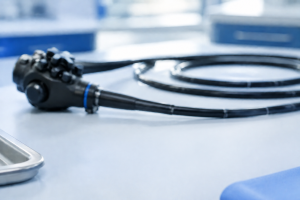
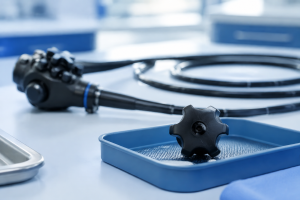
Flexible endoscope repair focuses on identifying damaged components, restoring mechanical performance, and replacing worn parts to ensure safe and reliable operation. The most common repair issues involve insertion tubes, bending sections, biopsy channels, distal components, and valve assemblies. Understanding these failure points helps repair centers, service companies, and medical equipment suppliers improve maintenance efficiency and reduce unnecessary downtime.
Flexible endoscopes are precision medical devices that experience repeated mechanical stress during daily procedures. Even with proper cleaning and handling, certain components will gradually wear out due to bending cycles, chemical exposure, friction, and frequent sterilization processes.
For professional repair technicians, accurate diagnosis and selecting compatible replacement parts are the key factors determining repair quality.
What Are the Most Common Flexible Endoscope Problems?
Flexible endoscope failures usually occur in several critical areas. Although the external appearance of an endoscope may look normal, internal components can experience damage that affects image quality, flexibility, or operational performance.
The most common problems include:
1. Insertion Tube Damage
The insertion tube is one of the most frequently replaced components in flexible endoscopes.
During clinical use, the insertion tube is exposed to:
- Repeated bending and twisting
- Contact with biological materials
- Cleaning chemicals
- Mechanical pressure during insertion
Common insertion tube failures include:
- Surface cracks
- External coating damage
- Loss of flexibility
- Leakage caused by damaged layers
- Internal channel deformation
When the insertion tube structure is compromised, continued use may increase the risk of further damage to internal components.
Professional repair centers usually inspect the insertion tube condition carefully before deciding whether repair or replacement is required.
Related component: Flexible Endoscope Insertion Tube
2. Bending Section Failure
The bending section controls the angulation movement of a flexible endoscope. It allows physicians to navigate through complex anatomical pathways during procedures.
Because this section contains multiple mechanical elements, it experiences significant stress during operation.
Common bending section problems include:
- Reduced bending angle
- Uneven movement
- Stiff or loose articulation
- Damaged bending rubber
- Broken internal wires
A damaged bending section can affect maneuverability and may prevent the endoscope from reaching the required position.
During repair, technicians typically evaluate:
- Angulation performance
- Rubber condition
- Internal wire tension
- Mechanical response
Related component: Endoscope Bending Section Assembly
3. Biopsy Channel Blockage or Damage
The biopsy channel is responsible for allowing instruments such as biopsy forceps and accessories to pass through the endoscope.
Common biopsy channel problems include:
- Blockage caused by insufficient cleaning
- Internal scratches
- Reduced suction performance
- Channel leakage
- Difficulty passing instruments
If the biopsy channel is damaged, it can directly affect clinical procedures.
Regular inspection and proper maintenance are important because channel damage is not always visible from the outside.
Related component: Flexible Endoscope Biopsy Channel
4. Distal Tip Damage
The distal tip contains several important components, including:
- Camera lens
- Light guide components
- Air/water channels
- Protective covers
Damage to the distal area may cause:
- Poor image quality
- Reduced illumination
- Water leakage
- Physical deformation
Because the distal tip integrates multiple functions, repair requires accurate component identification.
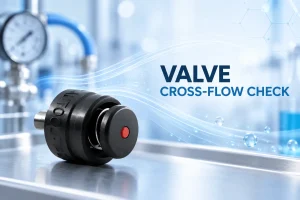
5. Valve and Control Component Wear
Small components such as valves and control parts also experience continuous use.
Common issues include:
- Air leakage
- Poor suction control
- Valve failure
- Reduced sealing performance
Although these components are smaller than insertion tubes or bending sections, they are essential for proper endoscope operation.
Main Components Involved in Flexible Endoscope Repair
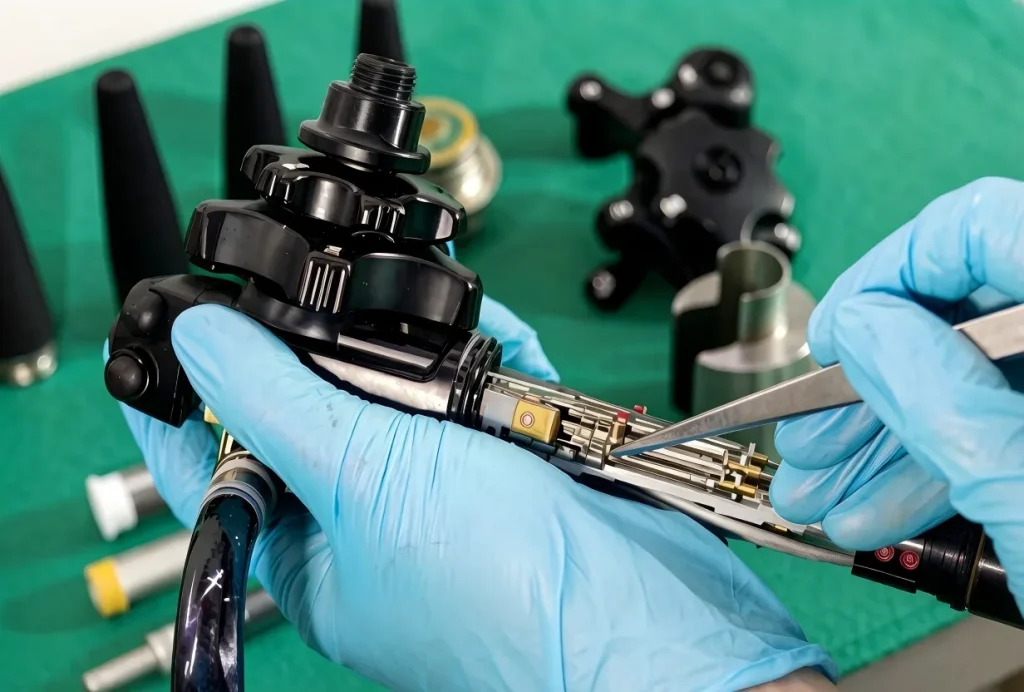
A flexible endoscope consists of multiple precision components working together. During repair, technicians need to identify the exact damaged part and select a compatible replacement component.
Insertion Tube
The insertion tube provides flexibility and houses internal channels, wires, and structural elements.
Main functions:
- Allows flexible navigation
- Protects internal components
- Supports instrument channels
- Maintains structural integrity
Common replacement reasons:
- External damage
- Leakage
- Reduced flexibility
- Internal channel problems
Insertion tubes are commonly replaced for gastoscopes, colonoscopes, and other flexible endoscopy systems.
Bending Section Assembly
The bending section provides directional control.
Its performance depends on:
- Mechanical structure
- Angulation wires
- Protective covering
- Flexible joints
A properly functioning bending section ensures smooth movement during procedures.
Biopsy Channel
The biopsy channel enables:
- Instrument passage
- Suction function
- Fluid management
Repair technicians usually check channel condition when problems occur with suction or accessory insertion.
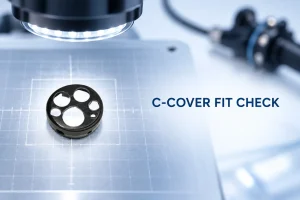
Distal Components
Distal components include:
- C-covers
- Distal covers
- Lens protection components
- Channel outlets
These parts require precise compatibility because different endoscope brands and models use different designs.
When Should Flexible Endoscope Parts Be Replaced?
Replacement decisions should be based on component condition, performance problems, and safety considerations.
Common replacement indicators include:
Visible Physical Damage
Examples:
- Cracks
- Tears
- Deformation
- Damaged protective layers
Reduced Mechanical Performance
Examples:
- Poor bending response
- Difficulty inserting accessories
- Loss of flexibility
Leakage Problems
Leakage testing is an important part of endoscope inspection.
Possible causes:
- Damaged insertion tube
- Broken sealing components
- Channel damage
Repeated Repair History
When a component requires frequent repair, replacement may become more efficient than repeated maintenance.
How to Choose the Correct Flexible Endoscope Replacement Parts?
Selecting suitable repair parts requires more than matching the appearance of a component.
Professional buyers should consider:
1. Confirm Endoscope Brand
Common flexible endoscope brands include:
- Olympus
- Pentax
- Fujinon
Each manufacturer uses different component designs.
2. Confirm Endoscope Type
Important categories include:
- Gastroscope
- Colonoscope
- Bronchoscope
- Other flexible scopes
Different applications require different components.
3. Check Compatibility Information
Before ordering replacement parts, confirm:
- Compatible models
- Component specifications
- Application requirements
A proper compatibility check helps avoid installation problems.
4. Work With a Professional Endoscope Parts Supplier
A reliable supplier should provide:
- Accurate product information
- Compatible models
- Technical support
- Stable supply capability
For repair companies, consistent parts availability is essential for maintaining efficient repair operations.
How Can Repair Centers Improve Flexible Endoscope Maintenance?
Preventive maintenance can reduce unexpected failures and extend equipment service life.
Recommended practices include:
Regular Inspection
Check:
- Insertion tube condition
- Bending performance
- Channel function
- Leakage condition
Proper Cleaning Procedures
Improper cleaning may accelerate component damage.
Important points:
- Follow manufacturer cleaning procedures
- Avoid excessive chemical exposure
- Perform routine inspections
Maintain Replacement Parts Inventory
Repair centers can reduce downtime by keeping commonly used components available, such as:
- Insertion tubes
- Bending sections
- Biopsy channels
- Valve components
Frequently Asked Questions
What parts are most commonly replaced during flexible endoscope repair?
The most commonly replaced parts include insertion tubes, bending sections, biopsy channels, distal components, and valve assemblies.
How often should flexible endoscopes be repaired?
Repair frequency depends on usage volume, maintenance procedures, cleaning methods, and operating conditions. Regular inspection helps identify problems before major failures occur.
Can damaged insertion tubes be replaced?
Yes. Damaged insertion tubes can usually be replaced by professional endoscope repair technicians using compatible replacement components.
What information is needed when ordering endoscope repair parts?
Buyers should provide the endoscope brand, model information, required component type, and application details to confirm compatibility.
Conclusion
Flexible endoscope repair requires accurate diagnosis, proper maintenance procedures, and reliable replacement components. The most common repair areas include insertion tubes, bending sections, biopsy channels, distal components, and valves.
For repair centers and medical equipment service providers, understanding common failure points helps improve repair efficiency and reduce equipment downtime.
By selecting compatible flexible endoscope replacement parts and maintaining proper inspection procedures, service professionals can extend the working life of endoscopic equipment and provide more reliable repair solutions.