Have you ever wondered how doctors are able to explore the inner workings of our bodies without invasive surgery The answer lies in a remarkable medical device known as an endoscope. This incredible tool has revolutionized the field of medicine, allowing physicians to diagnose and treat a wide range of conditions with precision and efficiency. In this blog post, we will delve into the fascinating world of endoscopes, exploring what they are, their various parts, and the important role they play in modern healthcare. So get ready to journey into the depths of medical innovation as we unravel the mysteries behind this incredible instrument!
What is an endoscope
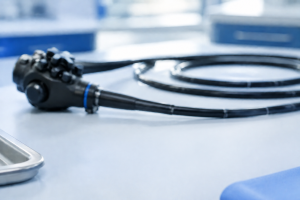
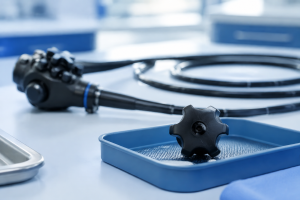
An endoscope is a slender, flexible tube equipped with a light source and a camera that allows doctors to visualize the inside of the body. It is typically inserted through natural openings or small incisions, enabling physicians to examine organs, tissues, and cavities without the need for invasive surgery.
The endoscope’s flexible nature makes it ideal for navigating through narrow passages and delicate structures within the body. Its advanced optics provide high-resolution images in real-time, allowing doctors to spot abnormalities or guide surgical instruments during minimally invasive procedures.
Endoscopes come in various types, each designed for specific medical purposes. Gastroscopes are used to inspect the digestive tract, while bronchoscopes help examine the airways and lungs. Other specialized endoscopes include cystoscopes (used for examining the bladder), hysteroscopes (for visualizing the uterus), and arthroscopes (used in joint examinations).
In addition to its imaging capabilities, an endoscope can also be equipped with additional tools such as forceps or brushes that allow doctors to take tissue samples or perform interventions directly through its channels.
An endoscope is an invaluable tool in modern medicine. Its non-invasive approach not only reduces patient discomfort but also enables quicker recovery times compared to traditional surgical methods. With ongoing advancements in technology and design, this remarkable device continues to pave the way for more accurate diagnoses and safer treatments across countless medical specialties.
What are the parts of an endoscope
What are the parts of an endoscope Let’s dive in and explore the different components that make up this important medical device.
1. Light Source The light source is a crucial part of an endoscope, as it provides illumination to visualize the internal body cavity during a procedure. This can be either a fiber optic or LED light source.
2. Camera The camera is another essential component of an endoscope. It captures high-quality images or videos of the area being examined and transmits them to a monitor for real-time viewing by the healthcare professional.
3. Flexible Insertion Tube The insertion tube is a long, flexible tube that allows for easy maneuverability within the body. It contains channels for passing instruments and airwater jets to clean and clear the field of view.
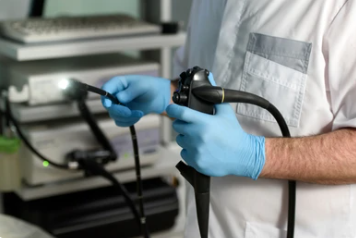
4. Control Handle The control handle enables precise manipulation of the endoscope’s tip using wheels, knobs, or buttons. This allows healthcare professionals to navigate through complex anatomical structures with ease.
5. Biopsy ForcepsGraspers These are specialized tools attached to the distal end of some endoscopes, allowing for tissue sampling (biopsies) or grabbing objects inside the body if needed during procedures.
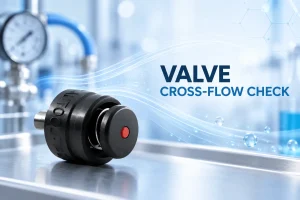
6. SuctionBiopsy Valve Located on one side of the control handle, this valve controls suction and irrigation functions during procedures by regulating airflow into various channels within the endoscope.
7. Monitor Display System Connected to the camera, this system displays real-time imagesvideos captured by the endoscope during examinations or surgeries so that medical professionals can assess what they’re seeing.
Understanding these key parts helps us appreciate how advanced technology has revolutionized minimally invasive diagnostics and surgical interventions!Endoscopic Procedures
Endoscopic procedures have revolutionized the field of medicine by allowing doctors to diagnose and treat various medical conditions without the need for invasive surgeries. These procedures involve the use of an endoscope, a flexible tube with a camera attached to it.
During an endoscopic procedure, the endoscope is inserted into the body through a natural opening or a small incision. The camera on the endoscope provides real-time images of internal organs and structures, which helps doctors visualize and identify any abnormalities or diseases.
There are several different types of endoscopic procedures, each targeting specific areas of the body. Some common examples include
1. Gastrointestinal Endoscopy This involves examining the digestive tract using an endoscope. It can help diagnose conditions such as ulcers, polyps, gastritis, and even certain types of cancer.
2. Bronchoscopy In this procedure, an endoscope is used to examine the airways and lungs. It can be helpful in diagnosing lung diseases like bronchitis or pneumonia and identifying tumors or other obstructions.
3. Cystoscopy This procedure involves inserting an endoscope into the urinary bladder to examine its lining for any abnormalities or signs of infection. It is commonly used to diagnose urinary tract infections (UTIs), kidney stones, or bladder tumors.
4. Arthroscopy Used primarily in orthopedics, arthroscopy allows doctors to visualize joints such as knees, shoulders, hips, and ankles using specialized instruments called arthroscopes. This enables them to diagnose joint injuries or conditions like torn ligaments or arthritis accurately.
5.Laparoscopy Laparoscopic surgery uses small incisions along with an abdominal port system that allows access for cameras on robotic arms that perform surgeries while being controlled by surgeons at remote consoles.
These are just a few examples among many other types of endoscopic procedures performed today across various medical specialties.
Endoscopes and their parts play a crucial role in modern medicine.